For many couples, infertility is not the biggest challenge. Uncertainty is. After months or years of trying to conceive, patients are often introduced to Assisted Reproductive Technology and suddenly find themselves navigating unfamiliar terms such as IVF, ICSI, embryo freezing, blastocysts, genetic testing, and fertility preservation.
The confusion is understandable. Assisted reproductive treatments involve advanced laboratory procedures, multiple clinical decisions, and significant emotional investment. Many patients assume that every fertility treatment falls under ART. Others believe IVF guarantees pregnancy. Neither assumption is accurate.
The numbers tell an important story. Around 17% of the world's adult population experiences infertility, making fertility challenges one of the most common reproductive health concerns worldwide. Because natural conception is not always possible, modern fertility technology now provides evidence-based options that help individuals and couples achieve pregnancy using carefully monitored medical procedures.
What is Assisted Reproductive Technology?
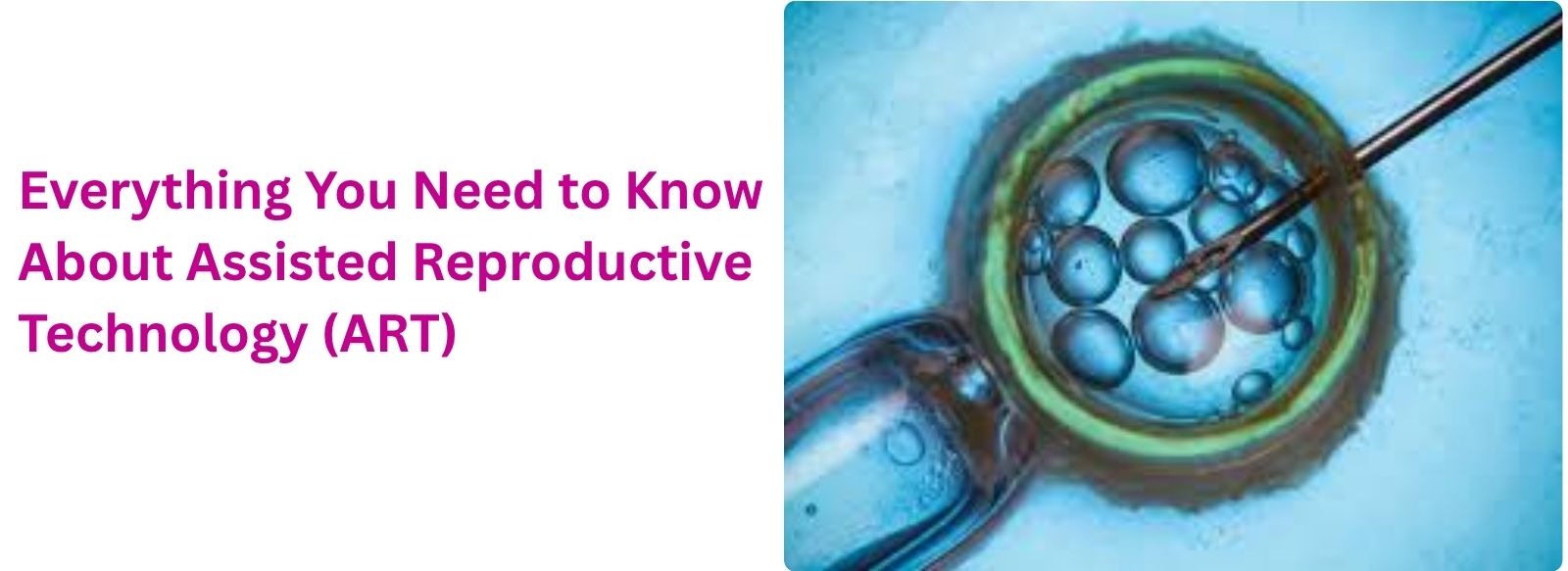
Assisted Reproductive Technology (ART) refers to fertility treatments in which eggs, sperm, or embryos are handled outside the human body in a controlled laboratory environment to establish pregnancy.
According to international reproductive medicine guidelines, ART includes procedures involving the laboratory manipulation of reproductive cells before embryo transfer. These techniques have changed the way infertility is treated and have helped millions of families worldwide achieve parenthood.
ART Procedures Include:
In Vitro Fertilization (IVF)
Embryo Transfer (ET)
Intracytoplasmic Sperm Injection (ICSI)
Preimplantation Genetic Testing (PGT)
Egg Freezing
Sperm Freezing
Embryo Cryopreservation
Procedures Not Considered ART
Some fertility treatments help improve conception but are not classified as Assisted Reproductive Technology because fertilization does not occur outside the body.
These include:
Intrauterine Insemination (IUI)
Artificial Insemination
Ovulation Induction Treatments
This distinction becomes important when comparing fertility treatment options and understanding success rates.
Types of Assisted Reproductive Technology Used Today
Modern reproductive medicine includes several types of assisted reproductive technology, each designed to address specific fertility challenges.
In Vitro Fertilization (IVF)
IVF remains the most widely performed ART procedure worldwide.
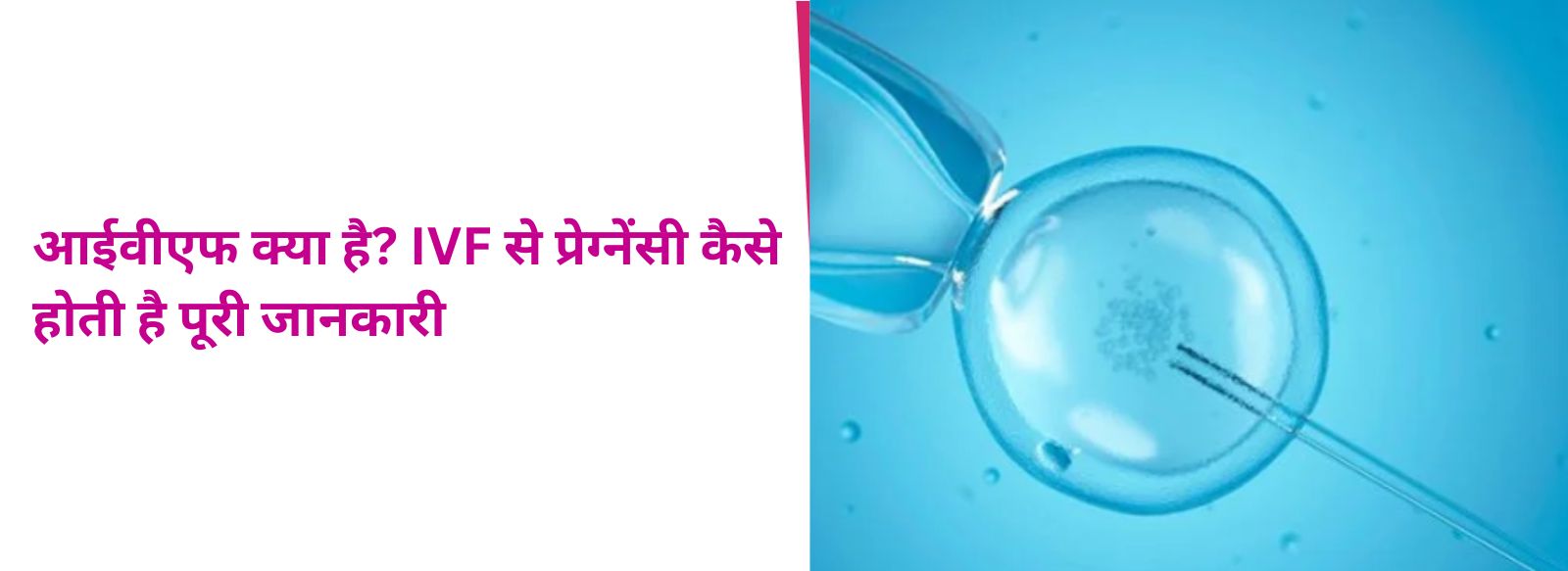
During IVF, ovarian stimulation medications encourage the development of multiple eggs. These eggs are collected through a minor procedure and fertilized with sperm inside an embryology laboratory. Once embryos develop, one or more are transferred into the uterus.
IVF is commonly recommended for:
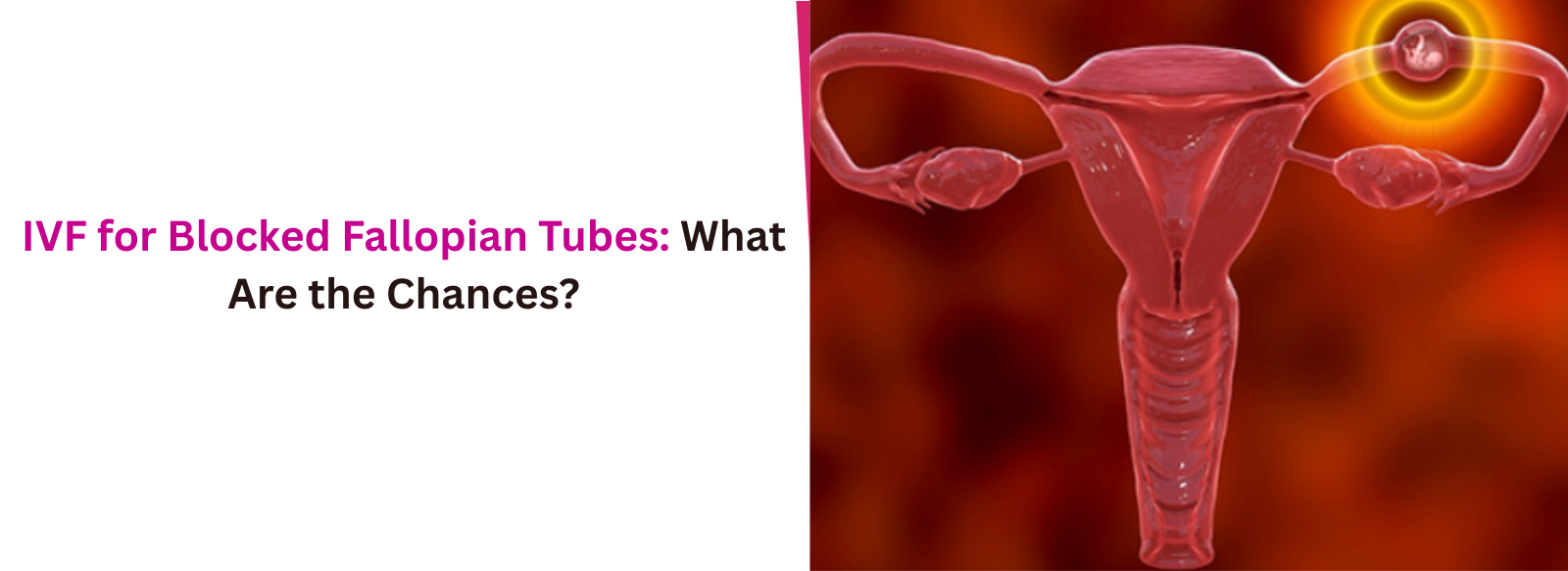
Blocked fallopian tubes
Unexplained infertility
Endometriosis
Diminished ovarian reserve
Failed IUI cycles
Advanced maternal age
Many patients living in punjab searching for IVF treatment in Amritsar are referred for IVF after initial fertility investigations reveal conditions that cannot be corrected naturally.
Intracytoplasmic Sperm Injection (ICSI)
ICSI represents an advanced form of IVF technology.
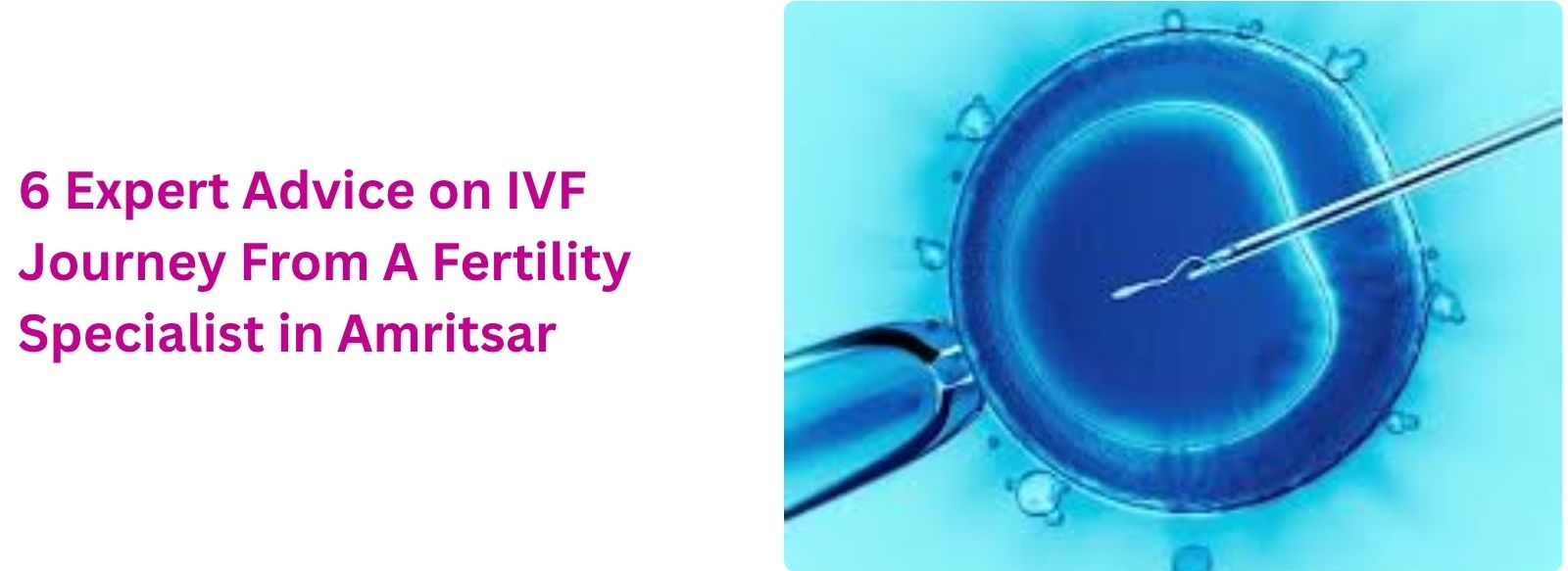
Instead of allowing sperm to penetrate the egg naturally, a fertility embryologist selects a single healthy sperm and injects it directly into a mature egg using specialized laboratory equipment.
ICSI is often recommended for:
Very low sperm count
Poor sperm motility
Abnormal sperm morphology
Previous IVF fertilization failure
Surgical sperm retrieval procedures
Because fertilization barriers are bypassed, ICSI has become one of the most important developments in male infertility treatment.
Preimplantation Genetic Testing (PGT)
PGT is performed before embryo transfer to evaluate genetic health.
A few cells are removed from the embryo's outer layer and analyzed for chromosomal or inherited genetic abnormalities.
PGT Type | Purpose |
PGT-A | Detects abnormal chromosome numbers |
PGT-M | Screens specific inherited genetic disorders |
PGT-SR | Evaluates structural chromosome rearrangements |
PGT is commonly considered when patients have:
Recurrent miscarriage
Advanced maternal age
Previous chromosomal abnormalities
Family history of genetic disorders
Cryopreservation
Cryopreservation refers to the freezing and long-term storage of reproductive material.
This may include:
Egg freezing
Sperm freezing
Embryo freezing
Because reproductive cells can remain preserved for years under controlled laboratory conditions, fertility preservation has become increasingly popular among cancer patients, women delaying pregnancy, and couples planning future family building.
Egg Donation and Surrogacy
When pregnancy cannot be achieved using a patient's own eggs or uterus, donor eggs and gestational surrogacy may be considered under appropriate medical and legal guidelines.
Who Should Consider Assisted Reproductive Technology?
Not every fertility patient requires ART. Some conceive through medication or less invasive treatments. Others benefit directly from advanced reproductive procedures.
ART is often recommended for patients with:
Female Fertility Conditions
Blocked fallopian tubes
Severe endometriosis
Premature ovarian insufficiency
Poor ovarian reserve
Repeated pregnancy loss
Male Fertility Conditions
Low sperm count
Reduced sperm motility
Abnormal sperm morphology
Obstructive azoospermia
Non-obstructive azoospermia
Combined Fertility Factors
Many couples experience fertility challenges involving both partners. In such cases, a personalized treatment plan provides the best chance of success.
Unexplained Infertility
Sometimes all fertility investigations appear normal. Yet pregnancy does not occur.
For these couples, Assisted Reproductive Technology can provide both diagnostic information and treatment opportunities.
How Does the ART Process Work?
Although treatment plans vary between patients, most ART cycles follow a structured clinical pathway.
Step 1: Fertility Assessment
Treatment starts with a complete fertility evaluation.
Common investigations include:
Semen Analysis
AMH Blood Test
AFC Ultrasound
Hormone Profile
Uterine Evaluation
Because treatment outcomes depend on accurate diagnosis, skipping fertility testing often delays success.
Step 2: Ovarian Stimulation
Hormonal medications stimulate the ovaries to produce multiple follicles.
This increases the number of eggs available for fertilization.
Step 3: Egg Retrieval and Sperm Collection
Once follicles reach maturity, eggs are collected under mild sedation.
Sperm samples are collected and prepared in the laboratory.
Step 4: Fertilization
Depending on the clinical indication:
Conventional IVF may be used.
ICSI may be recommended.
Step 5: Embryo Development
Embryos are cultured in specialized incubators for several days while embryologists monitor growth and development.
Step 6: Embryo Transfer
A selected embryo is transferred into the uterus. Many fertility specialists now advocate Elective Single Embryo Transfer (eSET) to reduce multiple pregnancy risks while maintaining strong pregnancy outcomes.
Step 7: Pregnancy Confirmation
Approximately two weeks after embryo transfer, a blood pregnancy test confirms implantation.
Why Do Embryo Numbers Decrease During IVF?
One of the most misunderstood aspects of Assisted Reproductive Technology is embryo attrition. Patients often assume that every follicle will become a healthy embryo. Biology rarely works this way.
A typical cycle may follow this pattern:
Stage | Average Numbers |
Follicles Seen | 14 |
Mature Eggs Retrieved | 10 |
Fertilized Eggs | 7 |
Day 5 Blastocysts | 3–4 |
Genetically Normal Embryos | 1–2 |
This decline occurs naturally.
Not every follicle contains a viable egg. Not every egg reaches maturity. Not every mature egg fertilizes successfully. Even after fertilization, only embryos with sufficient developmental potential survive to the blastocyst stage.
Success Rate of Assisted Reproductive Technology
Success rates vary considerably between patients. Several factors influence outcomes.
Age: Female age remains one of the strongest predictors of treatment success. Women below 35 generally have higher pregnancy rates because egg quality remains relatively preserved.
Embryo Quality: Embryos reaching the blastocyst stage usually demonstrate stronger implantation potential.
Cause of Infertility: Treatment outcomes differ between tubal infertility, PCOS, endometriosis, male infertility, and diminished ovarian reserve.
Laboratory Standards: The quality of the embryology laboratory directly affects embryo development and survival.
Clinical Expertise: Protocol selection, medication adjustments, embryo transfer technique, and ongoing monitoring all contribute to treatment outcomes.
Risks and Limitations of ART
ART has created opportunities for millions of families. Even so, patients should understand possible limitations before treatment begins.
Multiple Pregnancy: Transferring multiple embryos may increase the risk of twins or higher-order pregnancies.
Ovarian Hyperstimulation Syndrome (OHSS): OHSS is an excessive ovarian response to fertility medications. Symptoms may include abdominal discomfort, bloating, and fluid retention.
Emotional Stress: The fertility journey can be physically and emotionally demanding. Psychological support often plays an important role during treatment.
Financial Considerations: Some patients require more than one treatment cycle before achieving pregnancy.
Cost of ART in India
The cost of Assisted Reproductive Technology in India depends on several factors, including the procedure performed, medication requirements, genetic testing, laboratory services, and embryo freezing needs.
Additional treatments such as donor programs, fertility preservation, genetic screening, or surrogacy can increase overall expenses.
Patients considering IVF treatment in Amritsar, fertility treatment for PCOS, ICSI for male infertility, or embryo freezing should request a detailed cost estimate before starting treatment.
How to Choose the Right Fertility Clinic?
Choosing a fertility clinic should involve more than comparing package prices.
Before beginning treatment, ask these questions:
Evaluation Area | What to Check |
Legal Compliance | Registration under applicable ART regulations |
Embryology Lab | Fully operational in-house laboratory |
Success Reporting | Transparent outcome reporting |
Financial Clarity | Detailed written treatment estimate |
Fertility Specialists | Experienced reproductive medicine team |
A well-equipped fertility center should provide clear explanations, individualized treatment plans, and transparent communication throughout the journey.
Why Couples Choose Vardaan IVF Hospital?
At Vardaan IVF Hospital, fertility care is based on diagnosis, scientific evidence, and individualized planning.
The center offers advanced reproductive services for:
Female infertility treatment
Male infertility treatment
IVF and ICSI procedures
Embryo freezing
Egg freezing
PCOS-related infertility
Blocked fallopian tubes
Recurrent IVF failure
Unexplained infertility
Since fertility treatment is deeply personal, every recommendation is tailored to the patient's age, reproductive health, fertility history, and family-building goals. Parenthood begins with clarity. Understanding your fertility profile is often the first step.