
Trying to conceive but unsure about your most fertile days? Well, many couples struggle with timing rather than fertility itself. An ovulation kit, also known as an Ovulation Predictor Kit (OPK), simplifies this process by helping you identify when your body is naturally ready for conception. Instead of guessing based on calendar dates, these kits track subtle hormonal changes to pinpoint your fertile window, especially the Luteinizing Hormone (LH) surge. This gives you more control, clarity, and confidence in your pregnancy journey. For couples actively trying, it transforms uncertainty into a structured, informed approach without needing immediate clinical intervention.
What is an Ovulation Kit?
An ovulation kit is a simple, at-home urine-based test designed to detect a rise in Luteinizing Hormone (LH), a key signal that ovulation is about to begin. This surge typically happens 24–48 hours before the ovary releases an egg, making it the most fertile phase of your Menstrual Cycle. An Ovulation Predictor Kit (OPK), by identifying this precise window, helps couples time intercourse more effectively. It is especially useful for those actively trying to conceive and can also support women with irregular cycles. Although interpretation may require extra care or medical guidance from a professional doctor or gynecologist. In essence, it bridges the gap between natural body signals and actionable fertility planning.
How an Ovulation Kit Works (Scientific Explanation)
An ovulation kit works by detecting a sudden rise in Luteinizing Hormone (LH) in your urine. This “LH surge” is a biological signal from your brain to the ovaries, triggering the release of a mature egg. This process of releasing a mature egg is called Ovulation. Scientifically, this surge occurs about 24–48 hours before ovulation, which is why it’s considered the most fertile phase of the Menstrual Cycle.
From a practical perspective, this means your chances of pregnancy are highest just before and shortly after this surge. Since sperm can survive for a few days but the egg lives only about 12–24 hours, timing intercourse within the next 24–36 hours after a positive result significantly improves conception chances.
How to Use an Ovulation Kit Correctly?
Before directly testing, here are phase-wise preparations to make and perform tests for the most accurate results.
Right Time to Start Testing
For accurate results, begin ovulation kit testing based on your Menstrual Cycle length. In a typical 28-day cycle, start around Day 11 (counting the first day of your period as Day 1). This timing aligns with the expected rise of Luteinizing Hormone (LH). Starting too late may cause you to miss the surge, reducing the effectiveness of tracking your fertile window.
Choose the Best Time of Day
Ovulation kits are most reliable when used between 10 AM and 8 PM, with afternoon testing being ideal. Medically, Luteinizing Hormone (LH) surges often peak during midday hours, making detection more accurate. Unlike pregnancy tests, first morning urine is not recommended, as it may not reflect real-time hormonal changes occurring during the day.
Be Prepare Before Testing
Before ovulation testing with a kit, limit fluid intake for at least two hours. Excess fluids can dilute urine, lowering the concentration of Luteinizing Hormone (LH) and potentially leading to false-negative results. From a clinical perspective, maintaining optimal hormone concentration ensures better detection sensitivity, helping you accurately identify your fertile window without confusion.
Perform the Test Properly
Depending on the ovulation kit type, either remove the cap to expose the absorbent tip and hold it downward in your urine stream for 15–30 seconds or dip it into a collected sample for the same duration. Avoid wetting the result window. Afterward, recap and place it flat. Wait 3–5 minutes for results. The test works by reacting to Luteinizing Hormone (LH) levels in your urine. Following instructions carefully ensures valid results and avoids misinterpretation or invalid readings. This prevents negative positives.
How to Read Ovulation Kit Results Like a Doctor?
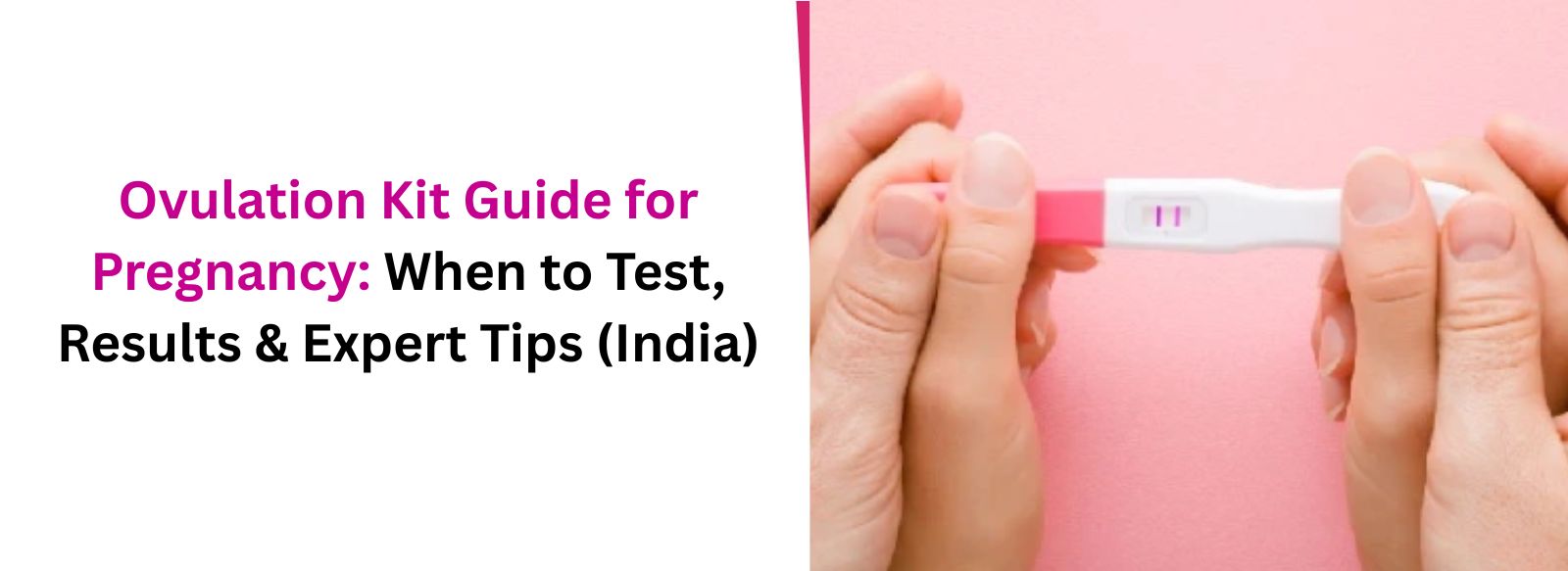
A positive result (Fertile Window Identified) appears when the test line is as dark as or darker than the control line. This indicates a surge in Luteinizing Hormone (LH), meaning Ovulation is likely to occur within the next 24–36 hours. Clinically, this is your most fertile phase, when chances of conception are highest.
A negative result (No LH Surge Yet) shows only the control line or a faint test line lighter than the control. This means the Luteinizing Hormone (LH) surge has not started yet. From a practical perspective, we recommend continuing to test daily at the same time, as ovulation may still occur in the coming days within your cycle.
If no lines appear, the result is considered invalid (Test Error). This usually indicates incorrect usage, an insufficient sample, or a faulty strip. Technically, the test failed to detect hormone levels properly, so the reading cannot be trusted. In such cases, repeat the test with a new strip while carefully following the instructions.
Once you get a positive result, plan intercourse within the next 36 hours. This timing aligns sperm availability in the partner with egg release during Ovulation in women. Since sperm can survive longer than the egg, we have found that this window maximizes the probability of fertilization and improves your chances of pregnancy by 20% as per in-clinic observation.
Best Time to Take an Ovulation Kit Test
Ovulation tests work best when taken in the afternoon, typically between 10 AM and 8 PM. This is because Luteinizing Hormone (LH) levels tend to peak during midday hours, making detection more reliable. Testing too early in the morning may miss this surge, reducing accuracy in identifying your fertile window.
Consistency is equally important for accurate tracking. Try to test at the same time each day and avoid excessive fluid intake beforehand, as diluted urine can lower LH concentration and affect results. Maintaining a routine improves reliability and helps you clearly identify patterns in your Menstrual Cycle.
How to Track Your Ovulation Cycle Effectively?
Effective ovulation tracking combines ovulation kit results with cycle awareness. For example, if your period starts on March 1 (Day 1) and you have a 28-day Menstrual Cycle, ovulation is expected around Day 14 (March 14). Start testing from Day 11 and track daily changes to identify your LH surge.
The fertile window typically lasts up to 5 days, including the days before ovulation and the day it occurs. By aligning test results with your cycle dates, you can better plan intercourse during this period. This combined approach improves accuracy and gives a clearer picture of your natural fertility pattern.
Special Considerations for Indian Women
While ovulation kits are useful, their accuracy can vary for many Indian women due to underlying health and environmental factors. This is why you can’t solely rely on ovulation kits only and should always consult your gynecologist for the best advice.
High air pollution levels in urban regions and rising temperatures across India can negatively impact egg quality and hormonal balance. In areas with contaminated groundwater, exposure to chemicals may further affect reproductive health. Cultural practices, dietary habits, and delayed fertility planning also influence how effectively ovulation tracking works in real-life scenarios. Environmental influences in India, such as pollution, have been linked to a 10–20% reduction in conception rates, further affecting accuracy.
Lifestyle factors such as chronic stress, poor nutrition, and obesity further complicate ovulation patterns. This is where expert guidance becomes mandatory. At Vardaan IVF, we don’t just rely on kit results. We interpret them in the context of your complete health profile, ensuring accurate guidance and personalized fertility care.
When Ovulation Kits May Not Work Accurately
Ovulation kits may not always give reliable results, especially in women with irregular cycles or underlying hormonal imbalances. Conditions like Polycystic Ovary Syndrome (PCOS) can cause persistently elevated Luteinizing Hormone (LH) levels, leading to misleading positives. Similarly, thyroid disorders and lifestyle-related factors can disrupt ovulation patterns.
Ovulation tracking can also be unreliable immediately after stopping hormonal contraceptives, as cycles take time to normalize. If you’ve been trying to conceive for over 12 months, have cycles longer than 45 days, or experience prolonged absence of periods, it’s advisable to consult a fertility specialist like Dr. Vareesh Kumar at Vardaan Hospital rather than relying solely on test kits.
Safety Precautions While Using Ovulation Kits
Using an ovulation kit correctly involves proper handling and storage to maintain accuracy. Since these kits detect sensitive hormonal changes, external factors like temperature, moisture, and improper usage can affect results. Following basic safety precautions ensures reliable readings and protects your overall testing experience.
Store the kit in a cool, dry place
Keep away from direct sunlight and heat exposure
Always check expiry date before using the kit
Dispose used strips safely after single use
Popular Ovulation Kits in India
The country has multiple companies selling similar kits under different brand names, but here are a few popular ovulation kits in India based on internet searches.
i-know Ovulation Testing Kit (by Piramal Pharma Limited)
This is one of the most commonly used ovulation kits in India, known for its high accuracy of around 99% in detecting LH surges. It uses a simple dropper method, requiring just a few drops of urine, making it easy for first-time users. Results appear within 5 minutes, offering quick clarity. In terms of pricing, it is budget-friendly, typically ranging between ₹250–₹500 for a pack of multiple strips, making it a value-for-money option
Clearblue Advanced Digital Ovulation Test (by Clearblue)
This is a premium ovulation kit designed for higher precision. Unlike standard kits, it tracks both estrogen and Luteinizing Hormone (LH), helping identify a broader fertile window. Its biggest advantage is ease of use. Its results are displayed digitally as a smiley face, eliminating confusion in reading lines. However, this advanced technology comes at a higher price, generally falling in the premium range compared to basic strip kits.
Ova News Ovulation Detection Kit (by Ova News)
Ova News offers a practical and user-friendly design with an extra-wide absorbent tip that reduces testing errors like oversaturation. It often comes as a more comprehensive package, including additional accessories like a urine container and guidance material. Accuracy is reliable for regular tracking, and it is competitively priced, typically in the affordable range, making it suitable for repeated use across cycles.
How Much Does an Ovulation Kit Cost in India?
Ovulation kits in India are generally affordable, with most options priced between ₹250 and ₹500 depending on brand, features, and number of test strips. While basic strip kits are cost-effective for regular tracking, premium digital kits offer added convenience and clarity. In terms of performance, ovulation prediction kits can reach up to 98% accuracy, though on average they stay around 95% reliability in detecting hormonal surges.
However, it’s important to understand that accuracy in detecting ovulation does not guarantee pregnancy. These kits predict your fertile window and not fertilization outcomes, so even with correct usage and positive results, conception may not occur in every cycle.
How to Get Pregnant Faster Using Ovulation Kits
Ovulation kits can significantly improve your chances of conception when used strategically. Once you detect a positive result, plan intercourse (sex) with your partner within the next fertile window, as this aligns sperm presence with egg release. Consistent tracking across cycles helps you understand your body’s unique patterns rather than relying on assumptions.
For better outcomes, combine ovulation tracking with a healthy lifestyle: balanced nutrition, stress management, and maintaining a healthy weight all support hormonal balance. While these ovulation testing kits offer high predictability in identifying ovulation, successful pregnancy depends on multiple factors, so a holistic approach always delivers better results.
When to See a Fertility Specialist
While ovulation testing kits at home are helpful, they are not a substitute for medical evaluation in certain situations. If you:
Trying to conceive for over twelve months.
No periods or highly irregular menstrual cycles.
Ovulation kits showing inconsistent or unclear results.
If results are unclear or conception is not happening despite regular tracking, it may indicate an underlying issue that requires expert assessment. Seeking timely guidance can prevent delays and improve your chances of successful treatment.
Next Step in Ovulation Testing for Pregnancy
If you’re trying to conceive and want clarity beyond home tracking, the fertility experts at Vardaan IVF center in Jalandhar and IVF clinic in Amritsar are here to guide you with personalized care. From understanding your ovulation patterns to identifying underlying concerns, our team ensures you get accurate answers and the right treatment approach at every step.
Book your consultation today
Frequently Asked Questions
When Should I Start Testing for Ovulation?
You should begin testing based on your Menstrual Cycle length. For a regular 28-day cycle, testing usually starts around Day 11, counting the first day of your period as Day 1. This timing aligns with the expected rise of Luteinizing Hormone (LH) before ovulation. If your cycles are shorter or longer, the start day may vary slightly. Starting too late increases the risk of missing the LH surge, while starting early ensures you capture the complete fertile window more accurately.
Can Ovulation Kits Be Wrong?
Ovulation kits are generally reliable with higher accuracy, but they are not completely error-free. False results can occur if urine is diluted, the test is performed incorrectly, or hormonal patterns are irregular. For example, conditions that affect Luteinizing Hormone (LH) levels can lead to misleading readings. Environmental factors like improper storage or expired kits may also reduce accuracy. While most kits are designed to be highly effective, they should be used consistently and interpreted carefully. If results seem confusing or inconsistent, consulting a fertility specialist is recommended.
Do Ovulation Testing Kits Work for PCOS?
Ovulation kits can be challenging to interpret in women with Polycystic Ovary Syndrome (PCOS). This condition often causes persistently elevated Luteinizing Hormone (LH) levels, which may produce multiple positive results or unclear patterns. As a result, identifying the exact ovulation window becomes difficult. In such cases, doctors may recommend testing more frequently, combining results with other tracking methods, or using alternative monitoring approaches. While the kits can still provide some insight, they are not always fully reliable for PCOS without medical guidance.
What is the Best Time for Ovulation Testing?
The ideal time to take an ovulation predictor test is between 10 AM and 8 PM, with afternoon testing being the most effective. This is because Luteinizing Hormone (LH) levels tend to peak during midday hours, making detection easier. Unlike pregnancy tests, first morning urine is not recommended, as it may not reflect the current hormonal surge. Testing at the same time each day improves consistency and accuracy, helping you track your fertile window more precisely.
How Many Times to Test in a Menstrual Cycle?
Most women need to test daily for several days during their fertile phase to accurately detect the Luteinizing Hormone (LH) surge. Typically, testing begins a few days before expected ovulation and continues until a positive result is observed. In cases of irregular cycles, testing may start earlier and continue longer. Some women may even test twice a day to avoid missing a short LH surge. Consistency is key, as regular testing increases the chances of correctly identifying ovulation timing.
Safety Precautions for Using Ovulation Kit
To ensure accurate results and safe use, ovulation kits should be handled with proper care. Always store the kit in a cool, dry place, away from heat, moisture, and direct sunlight, as environmental exposure can affect the sensitivity of Luteinizing Hormone (LH) detection. Use the test before its expiry date and avoid touching or contaminating the absorbent tip. After use, dispose of the kit safely and keep it out of reach of children. Following these precautions helps maintain reliability and prevents false readings during your Menstrual Cycle tracking.
How to Calculate Menstrual Cycle Length
Calculating your Menstrual Cycle length is essential for timing ovulation testing correctly. Start by marking the first day of your period as Day 1, then count the number of days until the day before your next period begins. For example, if your cycle repeats every 28 days, it is considered a standard cycle. This calculation helps estimate when Ovulation is likely to occur, allowing you to plan testing and improve accuracy. Even if cycles vary slightly, tracking over a few months provides better insight into your natural pattern.